
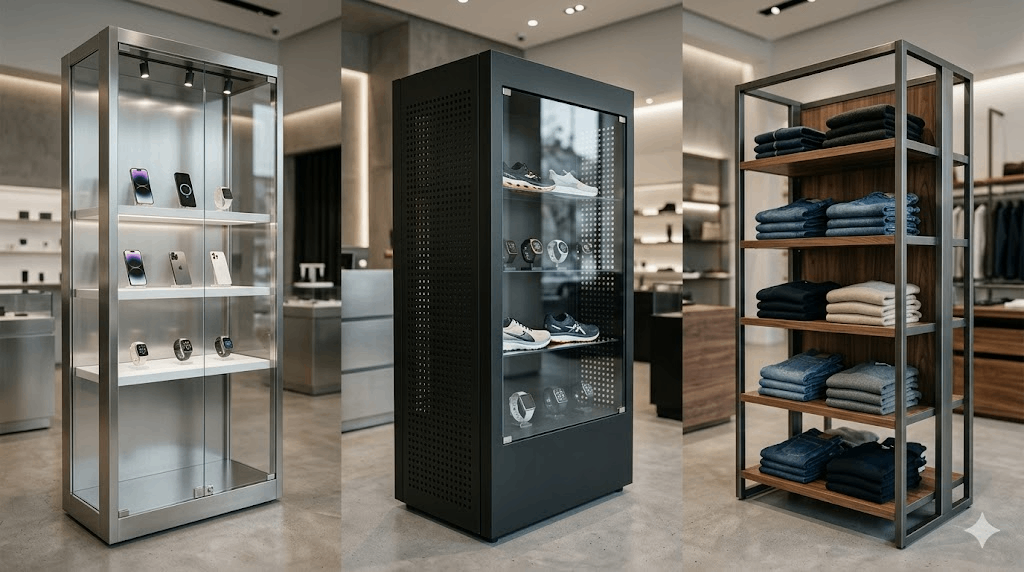
Visual merchandisers and global procurement managers face a shifting brick-and-mortar ecosystem. Today, the physical store is undergoing a rapid, dramatic change. Specifically, rising commercial rents and labor shortages are squeezing retail footprints. As a result, stores must evolve. They are transitioning from transactional checkout lines into highly experiential brand hubs. Therefore, the primary objective is no longer about packing shelves with endless stock. Instead, brands must maximize customer dwell time and extract the highest possible yield from smaller spaces.
Consequently, fragile, short-lived display props are rapidly losing their appeal. Leading international brands now demand rugged, operational fixtures. These assets must withstand high-traffic commercial environments while hosting interactive technologies. To build these future-proof setups, heavy-gauge metal fabrication has returned as the structural backbone of retail architecture. Ultimately, only engineered metal display cabinets provide the structural integrity, high load capacity, and minimalist aesthetic required to anchor modern stores.
The Material Science: Why Advanced Metal Fabrication Rules 2026 Merchandising
Load Capacities and Zero Deflection
First, we must look closer at the actual physics of the retail floor. When brands deploy fixtures, these assets face continuous impact, heavy merchandise, and frequent layout changes. Fortunately, engineering-grade metal fabrication allows designers to calculate exact load-bearing capacities and deflection limits. Unlike wood or weak plastics, precision-engineered steel maintains zero deflection under maximum load. For example, heavy inventory like automotive parts, beverages, and hardware can easily warp wood or plastic shelves. Conversely, steel supports keep shelves perfectly level.
To illustrate, physical stress tests reveal a stark contrast. A standard wood laminate shelf supporting a continuous 50kg commercial load can sag up to 15mm over a 12-month cycle. This results in a cheap, unappealing presentation. On the other hand, reinforced steel supports maintain absolute structural level under the exact same weight. Therefore, they preserve a premium presentation over a long lifespan.
Advanced Surface Protection & Compliance
However, durability is not just about raw structural strength. More often than not, long-term performance depends on surface chemistry. For instance, advanced manufacturers utilize premium, RoHS-compliant powder coating processes. These processes apply a highly scratch-resistant finish to protect the underlying metal from oxidization and harsh commercial cleaners. Furthermore, these non-toxic, eco-friendly coatings eliminate toxic off-gassing. As a result, global procurement teams avoid environmental import liabilities at international borders.
Industrial Precision & Global Rollouts
When managing global rollouts, procurement directors face significant logistical challenges. Therefore, partnering with an ISO 9001 certified manufacturer is crucial for a smooth launch. This international standard guarantees strict batch consistency and tight tolerances. Through automated CNC metal bending and robotic welding, factories construct every slot, hook, and bracket to a fraction of a millimeter. Consequently, when thousands of modular systems arrive at international ports, every component fits together flawlessly on the retail floor.
10 Disruptive Metal Display Cabinet Designs Reshaping 2026 Spaces
1. The Toolless Snap-Lock Modular Gondola
Modern retail operations demand rapid flexibility to match fast-moving consumer trends. Therefore, this design features CNC-punched vertical steel uprights utilizing interlocking slot mechanics. By eliminating bolts and screws, this modular system reduces setup friction. Consequently, store associates can independently adjust shelves or swap accessories in under 60 seconds.
From a logistical perspective, this knockdown structure maximizes container volume. Specifically, by packing completely flat, it reduces shipping volume by up to 40%. This drastic reduction lowers the landed cost per unit for global distributors. Thus, it remains the premier choice for rapidly scaling brands.
2. The High-Tension Structural Steel Media Cabinet
As phygital retail bridges physical and digital spaces, display cabinets must safely house complex signage. This design features a heavy-gauge steel frame with hidden internal wire-routing channels and ventilated compartments. Crucially, the robust metal casing provides electromagnetic shielding. This prevents interference with sensitive IoT hardware while keeping media players securely mounted.
For procurement managers, this smart integration lowers on-site electrical setup costs. Specifically, the pre-wired, plug-and-play channel design eliminates the need for expensive on-site technicians during store setups. Consequently, brands can deploy smart environments rapidly and safely while complying with international electrical standards.
3. The Matte-Finished Neuro-Aesthetic Vitrine
Aligned with the 2026 Quiet Luxury retail movement, this premium showcase vitrine reduces sensory overstimulation. Utilizing advanced robotic welding and CNC metal bending, the cabinet features seamless, smooth radius corners. In addition, a zero-reflection matte powder finish in Morandi tones covers the structure. This soft presentation lowers consumer cognitive fatigue, encouraging extended interaction with premium items.
Furthermore, the showcase incorporates 6mm low-iron tempered safety glass certified to ANSI Z97.1 impact standards. This ultra-clear glass eliminates the greenish tint common in standard glass. As a result, high-value inventory is displayed under pristine, color-accurate lighting. This thoughtful balance of steel protection and crystal-clear presentation maximizes sales impact.
4. The Magnetic-Skin Agile Showcase
Replacing entire store layouts every few years is a massive financial drain. To solve this, this cabinet separates the structural foundation from the brand aesthetic. Specifically, a permanent, commercial-grade iron core frame supports a flexible magnetic skin system. Visual merchandising teams can easily roll on and snap off custom-printed magnetic vinyl or wooden laminate panels. Consequently, brands can alter their visual identity in minutes.
Ultimately, this structural separation dramatically lowers long-term procurement budgets. Instead of purchasing entirely new store display cabinets, wholesale buyers only order lightweight graphic overlays. Therefore, this modular methodology reduces capital expenditure over a 5-year period by up to 65%.
5. The Heavy-Gauge “Shrinkage-Shield” Countertop Pod
Addressing the rise in retail shrinkage, this compact countertop showcase protects high-margin, small-format goods. Built with cold-rolled steel casing and reinforced joints, the pod integrates hidden electronic locking mechanisms. In addition, it incorporates heavy impact-resistant thick acrylic viewports. As a result, products remain beautifully illuminated and visible while offering absolute physical security.
By reducing shrinkage without creating a visual barrier, this cabinet allows open-floor merchandising configurations. Furthermore, buyers can specify customized multi-compartment dimensions to match high-risk inventory footprints. This protective setup ensures high-value items remain safe from physical retail theft.
6. The Ultra-Slim Cantilevered Stainless Steel Tower
To create a striking floating aesthetic, this tower utilizes high-tensile stainless steel backbones paired with cantilevered brackets. By leveraging the extreme strength of structural steel, the shelves require no bulky vertical side supports. Consequently, the resulting minimalist aesthetic maximizes open visual space. This draws the shopper’s focus directly to the merchandise.
Thus, it works as a masterclass in visual merchandising psychology. Specifically, it utilizes negative space to build a high-end brand perception. For global distributors, the entire stainless steel framework is engineered to pack flat into compact crates. This protects the premium finishes from damage during transit.
7. The Anti-Corrosive Biophilic Metal Planter Rack
As sustainable storytelling continues to capture consumer hearts, biophilic design remains a major retail trend. This unique display incorporates built-in botanical planters and self-watering reservoirs. To protect the fixture from moisture, soil, and UV plant-grow lights, manufacturers treat the galvanized steel framework with anti-corrosion finishes. This ensures the cabinet remains rust-free.
For procurement managers, this extreme durability is a vital safeguard against liability. Specifically, the anti-corrosion finish undergoes rigorous 500-hour salt spray testing to guarantee zero peeling. This ensures the retail environment remains clean, hygienic, and visually flawless for over a decade.
8. The Perforated Metal Sheet Utility Hub
Embodying the rugged, industrial minimalist aesthetic, this display is constructed with heavy-duty laser-cut pegboard back panels. These thick structural steel panels are compatible with custom hooks, magnetic brackets, and sheet metal bins. Consequently, the hub offers unlimited layout configurations. It supports heavy commercial loads, making it the perfect solution for hardware tools and sports gear.
Moreover, this industrial design resists surface denting and scratching under heavy daily operations. Procurement teams benefit from the universal compatibility of the perforated pattern. Therefore, they can source generic accessories globally, reducing localized supply chain friction.
9. The SEG Fabric Lightbox Hybrid Case
To avoid the astronomical utility bills of commercial LED video walls, this hybrid display combines aluminum frames with Silicone Edge Graphics. The structural aluminum frame provides lightweight yet exceptionally rigid support for large-format fabric graphics. Crucially, energy-efficient LEDs illuminate these graphics from within. This design eliminates harsh glass reflections and cuts energy costs by up to 60%.
From an import logistics standpoint, these lightweight aluminum frames are exceptionally easy to transport. Specifically, a single container can house hundreds of flat-packed SEG frames. When visual updates are required, retail staff can simply swap the fabric skins in minutes, bypassing expensive specialized installers.
10. The Asymmetric Geometric Island Unit
Breaking away from standard rectangular grids, this center-of-gravity engineered island unit features sheet-metal compartments stacked at offset angles. This non-traditional structural silhouette acts as a physical speed bump in high-footfall zones. Consequently, it forces consumers to slow down, naturally increasing customer dwell time in promotion zones.
Moreover, this display remains perfectly stable and secure under uneven, high-weight loading configurations. Its non-traditional geometry is specifically calibrated to guide customer traffic flow. Thus, it represents the perfect marriage of structural engineering and behavioral psychology on the retail floor.
B2B Buying Intelligence: Total Cost of Ownership (TCO) vs. Common Retail Mistakes
Let’s talk economics. When coordinating store rollouts across continents, procurement managers often look strictly at upfront Capital Expenditure (CAPEX). Consequently, they miss the recurring operational expenses (OPEX) that low-quality fixtures inevitably bring. However, true cost efficiency is measured over years, not quarters. To help visual merchandisers make data-backed procurement decisions, the comparison table below outlines the true Total Cost of Ownership (TCO) of cheap, uncertified fixtures compared to engineered metal solutions.
| The Broken Retail Strategy (The Mistake) | The Financial Trap (Short-Term CAPEX Fallacy) | The Engineered Metal Fix (Long-Term ROI & Durability) |
|---|---|---|
| Buying Flimsy Low-Cost Materials (Untreated thin plastics, cheap MDF, or unreinforced wood) | Frequent material degradation, structural sagging under commercial loads, and mandatory display replacement every 12 to 18 months. | Heavy-Duty Steel & Custom Alloys: Engineered with calculated deflection limits to maintain pristine structural and dimensional tolerance for 10+ years under heavy commercial use. |
| Neglecting Global Finish Standards (Using untracked chemical paints or uncertified coatings) | High risk of custom border delays, supply chain liability, and chemical odors that drive away customers due to VOC offgassing. | Strict RoHS Certification: Guaranteed 100% eco-friendly, non-toxic, and internationally compliant powder-coated finishes safe for all markets. |
| Ignoring Assembly Friction (Complex, multi-tool required fixtures with confusing instructions) | Massive installation labor costs, delayed grand openings, and high rate of shipping damage during setup due to fragile materials. | Yishang Display Smart Engineering: Toolless, pre-fitted modular systems designed with interlocking slot mechanics for lightning-fast, single-person deployment. |
Strategic FAQ: Eliminating International Procurement Friction
Q1: Why should global retail brands choose metal commercial fixtures over wood or plastic in 2026?
First, wood and plastic fixtures are highly vulnerable to humidity, temperature shifts, and physical impact. Over a ten-year cycle, unreinforced wood warps and plastic degrades. Consequently, retailers face multiple costly replacements. Conversely, heavy-gauge metal retail display cabinets offer unparalleled tensile strength. Thus, they retain their premium aesthetic and structural integrity for decades. Furthermore, metal is 100% recyclable. This helps global brands meet modern environmental and sustainability targets.
Q2: Can custom retail cabinets be engineered for electronic and smart IoT integration?
Absolutely. Through advanced custom OEM ODM manufacturing, factories can easily profile steel display units. Specifically, they integrate hidden cable channels, ventilation paths, and mounting holes. However, metal surfaces can sometimes shield wireless signals like NFC or RFID. To solve this, engineering teams integrate wave-transparent polymer windows directly into the steel frame. Consequently, this enables seamless digital interactions without sacrificing structural strength.
Q3: What is the realistic manufacturing lead time for a custom-engineered batch of retail displays?
The typical lead time for custom batch manufacturing ranges from 6 to 10 weeks, depending on design complexity. To start, the process begins with CAD 3D modeling and mechanical calculations to ensure load capacities. Next, the factory builds a physical prototype for testing under simulated commercial loads. Once approved, the batch undergoes automated laser cutting, robotic welding, and RoHS powder coating. Finally, logistics teams pack the modular units with high-density foam. They then load the cargo into containers for global shipping to over 50 countries.
Partner with Yishang Display to bring world-class durability, design, and engineering precision to your next global retail rollout. Contact our engineering team today to turn your custom display concepts into cost-optimized, batch-manufactured realities.