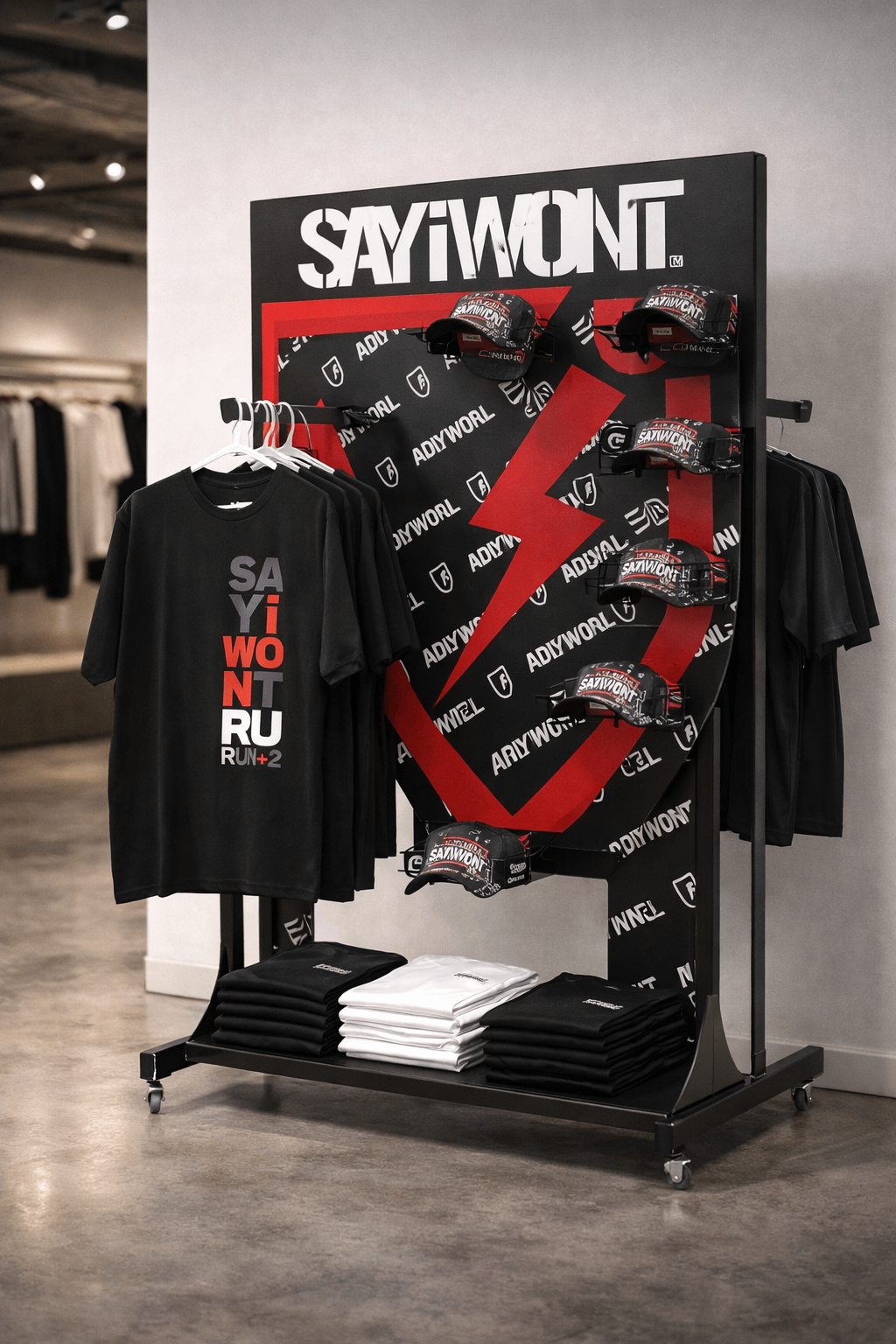
Overseas wholesale buyers read a product page with a sourcing mindset. They want to know whether a fixture fits a retail program, whether the structure supports bulk production, whether branding can stay clear, and whether the product can handle shipment, rollout, and repeated store use. This Fashion Black Metal Floor Clothes Display Mannequin Stand addresses those concerns directly.
The stand focuses on featured apparel presentation instead of stock-heavy storage. It gives one garment, one campaign message, or one branded category stronger in-store visibility. The front-facing layout, floor-standing frame, integrated hanging bars, cap display positions, and large graphic back panel create one coordinated unit for apparel and accessories.
Metal forms the core structure because commercial display projects need stability, finish consistency, and longer service life. A stronger metal clothes display solution handles repeated retail use better than a light-duty decorative fixture. Buyers can add acrylic, wood, or printed graphic elements when the concept calls for them, but metal remains the structural backbone.
For wholesale buyers, fast qualification matters. This page therefore focuses on product role, structure, material logic, customization scope, and the practical questions that usually influence supplier comparison. Buyers in this category often search and compare by structure, use case, branding function, and project readiness rather than by appearance alone.
The main difference lies in display purpose and display composition. A standard garment rack usually serves quantity, browsing, and stock access. Stores use it when they want to show more units on the floor. This clothes display stand serves a different job. It gives selected apparel a clearer visual position and turns the garment into a focal point instead of one item among many.
That distinction matters in boutique programs, sportswear promotions, licensed merchandise displays, and campaign-driven retail corners. Buyers in those settings need more than a frame that holds clothing. They need a display that supports a product story, keeps the presentation clean, and helps shoppers understand the offer quickly. This product works especially well for graphic T-shirts, caps, and related branded accessories shown together inside one campaign-driven display area.
For wholesale buyers, this difference affects merchandising as well as sourcing. The fixture creates hierarchy, improves front-facing visibility, and keeps branding close to the garment. That is why a metal garment display stand like this often gives more value than a general-purpose rail, especially when T-shirts, caps, or small branded accessories need to sit inside one campaign frame.
The structure supports product emphasis. Retailers can use it for a hero T-shirt, a seasonal sportswear item, or a branded campaign garment much more effectively than for dense stock presentation. The display helps selected apparel look intentional and important.
Because the stand rises vertically, it creates stronger visual presence than a low-profile rack placed among ordinary fixtures. Customers can identify it as a display point quickly, which helps the product gain attention faster. In stores with limited floor space, that stronger communication value per square meter often matters more than raw unit capacity.
Many buyers may search for this product with the phrase display mannequin stand, but in practice it works more like a branded featured-display fixture than a traditional mannequin format. The stand frames the garment as a display feature rather than general stock. That effect works especially well for front-graphic T-shirts, sportswear tops, uniforms, logo-led apparel, caps, and promotional items where the front view or immediate visual identity carries much of the message.
For fashion and lifestyle programs, this approach makes the display more useful commercially. Instead of flattening the garment into a line of hanging stock, the stand gives it a clearer front-facing role and a stronger campaign setting. Buyers who need a clothes display mannequin stand style product can therefore gain visibility, presentation quality, and branded impact without using a full mannequin body.
The black frame supports both structure and presentation. Metal gives better stability and longer service life than many light-duty alternatives. In stores, staff move fixtures during resets, touch them daily, load garments onto them, and reuse them for repeated promotions. A dependable metal clothes display frame reduces replacement risk and keeps presentation quality more consistent over time.
Black powder-coated metal also gives the display a clean, modern outline. It supports the garment instead of competing with it and helps apparel graphics remain easier to read. This is one reason black metal floor clothes display fixtures remain popular in fashion retail, sportswear programs, showrooms, and campaign-led environments.
This design combines garment presentation, accessory display, and graphic communication in one unit. The back panel does not act as decoration alone. It anchors the whole fixture visually and supports collection themes, campaign visuals, launch messaging, or product identity.
For wholesale buyers supplying branded retail programs, that creates clear practical value. A shirt may attract attention on its own, but coordinated graphics and nearby accessory display position it more clearly inside a campaign or retail story. Buyers often choose this product as a retail clothing display stand for sportswear drops, licensed merchandise, event promotions, seasonal launch zones, and branded T-shirt-plus-cap programs.
Buyers usually assess a fixture by use case before they assess it by finish. This display works best where one product, one message, or one category needs stronger visibility than a standard rack can provide.
In boutique fashion stores, retailers often use the stand for a featured style, a coordinated mini-collection, or a front-of-store promotional item. A floor clothes display unit like this helps isolate key garments and keeps the retail presentation more controlled.
In sportswear and lifestyle programs, the benefit becomes even clearer. These categories rely heavily on logo visibility, front graphics, and campaign-led communication. A front-facing clothes display stand with integrated branding support helps those products communicate faster and more clearly.
The stand works especially well when T-shirts, caps, and small branded accessories need to appear as one coordinated visual story rather than as separate items placed on different fixtures.
Showrooms also provide a strong fit. Buyers, distributors, and retail partners often judge not only the apparel but also the quality of presentation around it. A more structured display helps the assortment look better organized and more market-ready, which can influence downstream buying decisions.
Retailers also use this fixture in pop-up retail, mall activations, and temporary campaign corners where shoppers move quickly and floor space is limited. A black metal floor clothes display mannequin stand performs well in these settings because it uses vertical space efficiently, keeps the product visible, offers strong graphic area, and allows apparel and accessories to appear together without demanding a large footprint.
For importers and distributors, these use cases help qualify the product before inquiry. They also make supplier comparison more efficient by showing where the stand fits best commercially.
Material choice affects more than appearance. For wholesale buyers, it also affects service life, shipment reliability, finish consistency, assembly stability, and long-term commercial value. That is why metal leads the structure of this product.
A metal clothes display solution handles demanding store conditions better than many lightweight decorative alternatives. It supports load points more reliably, keeps its shape through repeated use, and gives the stand a stronger base. In projects involving chain-store rollout, repeated campaign resets, or long on-floor service cycles, buyers treat these benefits as direct purchasing considerations.
Metal also works well in custom fabrication. Fabricators can cut, bend, weld, and powder-coat it with good process control. That gives buyers more freedom to adjust frame size, hanger position, base proportion, and branding support without weakening structural logic.
For overseas buyers, this improves the chance that custom requests will stay consistent at scale. That consistency matters when a program needs reliable rollout quality across multiple stores or regions.
Some projects benefit from secondary materials. Acrylic can sharpen signage function or add a cleaner technical accent. Wood can support a warmer retail concept. Printed panels can carry launch campaigns, seasonal messaging, collection graphics, or branded statement visuals that shoppers need to recognize from a distance.
These materials should support the concept rather than replace the structural backbone without reason. In this product, metal remains the engineering base, while acrylic, wood, and printed surfaces add visual or secondary functional value.
Black powder coating remains one of the most practical finish choices because it gives the display a clean professional appearance and performs well under daily store handling. It also tends to deliver better batch consistency than low-grade paint finishes.
Depending on the project, buyers can also choose custom colors and alternative finishes when they need a closer match to brand identity or store design.
A product page should help buyers qualify a fixture quickly. That means presenting practical information in a format that remains easy to scan while still supporting sourcing decisions.
The table below summarizes the main points buyers usually review first when considering a fixture of this type.
| Specification Item | Details |
|---|---|
| Product Name | Fashion Black Metal Floor Clothes Display Mannequin Stand |
| Main Structure Material | Metal |
| Optional Materials | Acrylic, wood, printed graphic panel, paperboard elements depending on project |
| Main Color | Black or custom color |
| Structure Type | Floor-standing retail display fixture |
| Display Function | Apparel display, garment presentation, branded promotion |
| Suitable Products | T-shirts, sportswear, fashion apparel, caps, promotional garments, themed merchandise, branded accessories |
| Surface Finish | Powder coating, painting, or project-based finish |
| Branding Options | Logo panel, printed graphics, campaign visuals, custom branding area |
| Customization | Size, structure, material combination, graphic layout, finish |
| Production Mode | OEM and ODM support |
| Packaging | Export packaging based on structure and shipment method |
| MOQ | Depends on design complexity and order requirements |
| Lead Time | Depends on quantity, customization depth, and schedule |
For wholesale buyers, specifications also act as sourcing signals. They show whether the product suits project-based work or only simple item sales. In this case, the adjustable size, graphics, finish, and structure indicate that the stand suits customized retail programs rather than only standard stock supply.
This matters especially in distributor orders, campaign-led projects, and multi-location retail rollout. Buyers in those scenarios need more than a good-looking sample. They need production repeatability, practical packaging, and reliable commercial use.
The matrix below translates technical points into buyer relevance.
| Buyer Concern | Why It Matters for This Product |
|---|---|
| Display visibility | The upright graphic panel and front-facing garment position help featured products read clearly in-store. |
| Structural reliability | Metal as the main frame supports repeated commercial use better than light-duty alternatives. |
| Brand consistency | Graphic panels, logo areas, finish, and size can be standardized across locations. |
| Project flexibility | The stand can be adjusted for different garments, campaign themes, and floor footprints. |
| Shipment practicality | Structure and packing can be reviewed for export handling and multi-location delivery. |
| Long-term value | A stable, branding-ready fixture can outperform lower-cost generic racks over repeated campaigns. |
Customization matters because most wholesale buyers source for a specific retail goal, not generic inventory. A fixture that comes close but misses the final requirement can still create problems in floor planning, rollout, branding, shipment, or final presentation.
This product therefore works better as a custom metal display solution than as a fixed stock item. The overall display logic stays consistent, but buyers can adjust the size, structure, branding treatment, and material combination according to project needs.
Different garments require different proportions. A graphic T-shirt program may need a different height and panel balance than a jacket display or a presentation that combines apparel with accessories. The number and position of arms, the base format, the relationship between garment area and branding area, and the overall footprint all affect how the stand performs on the floor.
In sportswear, licensed merchandise, and campaign-led apparel, the fixture often needs to communicate identity as clearly as it presents the garment. A logo panel, collection graphic, promotional backboard, or statement brand visual can make the display significantly more effective.
This point matters even more when the stand merchandises T-shirts together with caps or other branded accessories. In those cases, the fixture needs to hold the whole message together rather than show isolated products without context.
Metal remains the structural core, but buyers can introduce acrylic, wood, or printed surfaces when those additions support the display concept. These additions should follow function and identity rather than decoration alone.
A useful way to review customization is to separate what shoppers see from what the fixture must do. What shoppers see includes color, graphics, and display personality. What the fixture must do includes load support, stability, packing practicality, and long-term use. High-quality OEM display stand development addresses both sides seriously.
For buyers, this creates more confidence than a broad claim that customization is available. It shows that teams treat custom development as a commercial process rather than as a generic sales phrase.
A good product page should help buyers decide, not simply persuade. This stand works best when the retailer needs a focal point rather than a storage rail. If the goal is to highlight one garment, one campaign story, or one small collection, the structure supports that role very well.
The upright format, front-facing garment position, and branded panel create clear hierarchy. That makes the display easier to understand at a glance and more suitable for featured merchandising.
A standard garment rack may still work better when quantity display becomes the main priority. If the buyer’s customer needs dense SKU presentation, browsing convenience, or on-floor stock support, a traditional rail can be more efficient.
This product serves a different role. It works as a clothes display mannequin stand for selected-product communication, not as a storage-first rail. It sits closer to a branded campaign fixture than to a general garment rack. That distinction helps buyers evaluate the fixture more accurately and choose a display format that better matches the retail objective.
Before a professional buyer contacts a supplier, several practical concerns usually shape the decision. Buyers want to know how long the fixture will last, how well it stays stable, how effectively it can carry branding, and how easily teams can manage shipment and mass production.
Durability usually comes first. In stores, staff move fixtures during resets, load garments onto them, touch them daily, and reuse them over repeated promotions. A stronger frame therefore creates more long-term value than a weak display that quickly loses presentation quality.
Stability comes next. A display may look good in a photo, but poor floor performance creates operational problems. The base of this stand supports commercial floor use, which becomes especially important when garments, graphics, and accessories appear together.
Branding suitability also matters. Many buyers are not sourcing a neutral fixture. They are sourcing for a program, a campaign corner, or a branded retail zone. That means the display must support message clarity as well as garment presentation.
Cost efficiency matters, but experienced wholesale buyers usually look beyond visible unit price. They compare repeatability, shipment practicality, service life, and the extent to which the fixture supports the retail objective. For that reason, a small qty or trial order may help during evaluation, but buyers usually make the real commercial judgment at rollout scale.
Packaging and shipping matter just as much. Multi-location projects often require secure packing, efficient movement, and reasonable installation simplicity. Export packaging therefore needs attention early in the sourcing process rather than after product approval.
Professional buyers also look for signs of process control. During sampling and approval, they want to know whether drawings are clear, whether finishes will remain consistent, and whether teams can reduce variation during production process. These details affect project outcome directly.
This is a product page, so the product remains central. Even so, buyers usually want a brief sign that real production capability stands behind the fixture.
The most useful support context stays practical rather than promotional. Buyers mainly need to know whether teams can develop the stand accurately, sample it clearly, pack it properly, and reproduce it with reliable finish and structure.
That is why the supplier identity stays simple here. Yishang Display appears as the brand behind the product without turning the page into a company-introduction page. This keeps the content aligned with the product theme while still supporting sourcing confidence.
Yes. Teams can adjust the structure according to the apparel being displayed. T-shirts, sportswear, lightweight jackets, promotional garments, and themed merchandise may require different proportions and hanger positions.
Yes. Buyers can customize the branding zone in graphic layout, visual style, message content, and size. This is especially useful for campaign displays and branded retail programs.
Yes. Metal serves as the main structural material and usually gives the best result for strength and service life. Buyers can still integrate acrylic, wood, printed panels, and other secondary materials when they improve the display concept.
It is particularly suitable for featured products that benefit from strong front presentation and clear visual framing, such as graphic T-shirts, sportswear, branded apparel, caps, and promotional merchandise.
Yes. The design supports consistency, packaging review, and mass-production practicality, which makes it suitable for multi-location and larger-volume programs.
Yes. Buyers can review packaging and assembly as part of project development, which is especially important for export shipments and rollout programs.
Black powder coating is a common option because it gives a clean and durable finish for commercial use. Buyers may also choose custom colors and alternative finish treatments depending on the project.
Yes. Yishang Display supports OEM and ODM production for customized dimensions, branding, structure, and material combinations.
The most useful inputs are garment type, display purpose, approximate dimensions, target quantity, branding requirements, preferred finish, destination market, and any reference image or sketch. With that information, teams can review the proposed solution more accurately and more quickly.
If you are sourcing a fixture for a featured apparel program, campaign corner, or branded retail rollout, sharing the garment type, target quantity, and display purpose will help define the right structure more efficiently.
Yishang Display can review the project direction and recommend a practical display solution based on retail use, branding needs, production feasibility, and project scale.
To support faster review, the summary below translates the fixture into direct sourcing terms.
| Evaluation Point | Summary |
|---|---|
| Best Use | Featured apparel presentation in fashion retail, sportswear, promotional corners, showrooms, and campaign zones |
| Core Strength | Combines garment display and branded visual communication in one fixture |
| Main Material Advantage | Metal structure for durability, stability, and long-term commercial use |
| Design Value | More visually focused and campaign-ready than a standard garment rack |
| Customization Value | Supports size, structure, branding, material, and finish adjustments |
| Buyer Fit | Suitable for wholesale sourcing, OEM and ODM programs, branded retail projects, and multi-location rollout needs |
For wholesale buyers, the value of this fixture goes beyond holding clothing. It helps one product story read clearly in a commercial setting while still remaining practical for custom development and bulk execution. That story can include apparel, caps, and related branded accessories presented together around one visual campaign theme.
A well-designed fashion black metal floor clothes display mannequin stand therefore gives buyers product visibility, message clarity, structural reliability, and sourcing practicality in one focused retail fixture.
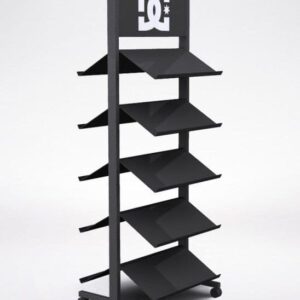
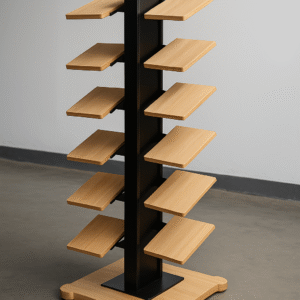


Yishang Display specializes in crafting bespoke display solutions. From initial concept and prototyping through to full-scale production, our in-house team manages every phase—delivering a seamless, one-stop experience for your brand.
If you have any questions or need a quote, please send us a message. One of our specialists will get back to you within 24 hours and help you select the correct valve for your needs.
All of our products are available for sampling