
A strategic resource for procurement managers looking to balance manufacturing budgets with structural safety and long-term asset value.
These units represent active variables in retail floor optimization and long-term asset management. Every square meter of your retail space must earn its rent, which requires heavy-duty display systems built for continuous physical demands.
We designed this buying guide for procurement teams who need to balance initial manufacturing budgets with structural durability. Selecting the right structural core is a strategic business decision that directly impacts operational safety and store profitability.
By reviewing the engineering standards in this buying guide, you can eliminate the silent operational drain of premature fixture failure. We will help you navigate structural load capacities, international shipping configurations, and material engineering standards.
I. Structural Classifications & Sourcing Strategies: Choosing the Right System
A. Gondola Shelving Systems for Retail Aisles
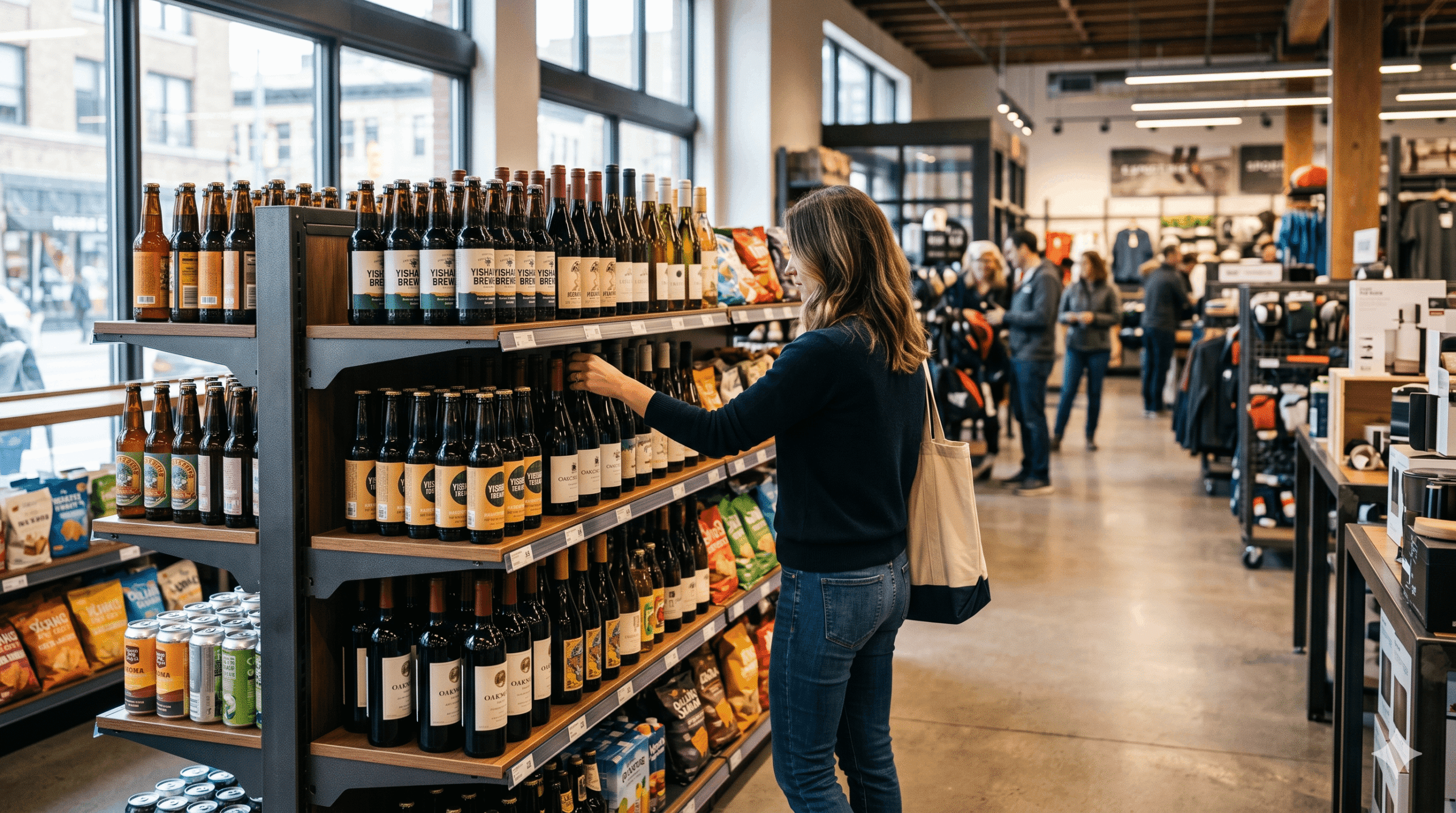
When sourcing heavy-duty retail displays for retail stores, structural stability under unbalanced loads is paramount. Double-sided island gondolas must manage immense downward force without bowing, especially in high-volume beverage or grocery environments.
Using a precision-engineered cold-rolled steel base ensures the uprights remain perfectly vertical under maximum stock capacity. These robust metal structures are perfect for high-traffic areas where floor layouts require absolute rigidity and minimal deflection.
B. Wall-Mounted Displays: Slatwall & Gridwall Systems
Maximizing the vertical perimeter of your retail space requires secure wall-mounted systems that distribute weight evenly. Whether you are sourcing a retail clothing display system or heavy hardware pegboards, anchor points must withstand high shear stress.
Traditional composite panels often warp or crack when loaded with heavy hanging merchandise. Implementing steel-reinforced tracks for racks and wall panels ensures long-term safety, preventing catastrophic pull-outs and protecting your inventory.
C. Freestanding, Specialty & Spinner Racks
Custom merchandise lines require specialty retail stands that offer 360-degree product visibility and low, stable centers of gravity. These freestanding configurations are highly effective for dense, heavy products like automotive tools or sporting goods.
Sourcing these units with weighted steel bases and structural iron frames prevents tipping hazards in busy aisles. Customizing these systems to match your brand’s physical product dimensions increases shelf capacity while reducing the overall fixture footprint.
D. Point-of-Purchase (POP) & Modular Mobile Fixtures
Temporary cardboard options create high recurring lifetime costs and significant environmental waste. Investing in permanent, modular metal display racks for checkout zones increases long-term ROI and elevates product presentation.
Additionally, modern experiential retail layouts require mobile store shelving that can be rearranged quickly by floor staff. Building these units on high-tensile tubular frames with heavy-duty lockable casters protects the structural integrity of your racks during frequent floor moves.
II. Material Physics: Why Steel Core Outperforms Alternative Finishes
A. Comparative Structural Performance Metrics
Selecting the correct material is a strategic decision that dictates the lifespan and maintenance costs of your in-store assets. The table below outlines how industrial-grade steel compares to alternative materials commonly used in retail fabrication.
| Material Type | Structural Yield Strength | Impact Resistance | Average Useful Lifespan | Recyclability & Salvage Value |
|---|---|---|---|---|
| Cold-Rolled Steel (SPCC) | Ultra-High (250+ MPa) | Excellent (Resists dents) | 10+ Years | 100% Recyclable (High value) |
| Solid Hardwood | Medium-High (Variable) | Medium (Prone to scratches) | 3–5 Years | Biodegradable (No salvage value) |
| Acrylic / Plastics | Low (Brittle under cold) | Low (Prone to cracking) | 1–2 Years | Very Low (High landfill footprint) |
| Cardboard / Composites | Extremely Low | Extremely Low (Water sensitive) | 1–3 Months | Recyclable (But high waste cycle) |
B. Engineering the Perfect Hybrid Display
While raw steel provides the necessary load-bearing capacity, integrating multi-material finishes can elevate aesthetic appeal. At Yishang Display, we utilize structural metal frames as the load-bearing skeleton of the fixture.
This allows procurement teams to seamlessly integrate wood cladding, acrylic accents, or integrated LED lighting without sacrificing strength. Your retail displays can maintain a warm, premium look while retaining the extreme durability of an industrial metal spine.
III. B2B Compliance Filters: De-risking Global Customs & Liabilities
A. Preventing Costly Customs Seizures with RoHS Certification
A low initial purchase price can quickly be erased if an entire shipment is seized at international ports due to non-compliant coatings. Many low-grade factories use cheap industrial paints containing hazardous heavy metals or high volatile organic compounds.
Sourcing RoHS certified display racks guarantees that all powder-coating treatments are entirely free of hazardous chemicals. This compliance step ensures smooth customs clearance, protecting your rollout schedule and safeguarding consumer health in-store.
B. Structural Safety and ISO 9001 Batch Consistency
A collapsed shelving system in a busy commercial environment can lead to damaged inventory and severe product liability lawsuits. Ensuring your manufacturing partner operates under strict ISO 9001 quality management systems is a vital risk-mitigation step.
This certification ensures that every batch of cold-rolled steel undergoes standardized stress testing and weld penetration audits. Partnering with a compliant manufacturer protects your brand from structural failures and ensures uniform quality across thousands of units.
IV. Financial Engineering: Optimizing the Total Cost of Ownership (TCO)
A. Calculating Real Lifecycle Costs
A smart buying decision requires looking past the initial factory-gate price to calculate the Total Cost of Ownership (TCO). Procurement managers must analyze the complete financial footprint of their retail store display racks.
Using this calculation helps you make an objective, data-backed sourcing choice. While low-cost plastic or composite shelving seems cheaper upfront, its frequent replacement cycle and high shipping frequency result in a much higher daily operating cost.
The Procurement TCO Equation:
Total Cost of Ownership = (Upfront Manufacturing Cost + Logistics Freight + Assembly Labor + Maintenance Costs) / Lifespan in Days
B. Logistical Optimization and Knock-Down Designs
International ocean freight costs can heavily impact your overall procurement budget if fixtures are shipped as bulky, fully welded units. Sourcing fixtures engineered with a smart knock-down design allows components to be flat-packed into dense, low-volume cartons.
This flat-pack approach drastically reduces the total Cubic Meters (CBM) per shipment, lowering international freight costs by up to 40%. It allows procurement teams to fit more units into a standard shipping container, maximizing transport efficiency.
V. Critical Procurement Mistakes to Avoid
A. Prioritizing Initial Price Over Long-Term Durability
One of the most common mistakes to avoid when sourcing racks for retail environments is selecting fixtures based solely on the lowest quote. Cheap, uncertified steel tubing easily deforms under continuous restocking, leading to early replacement costs.
Working with an experienced direct-from-factory partner like Yishang Display prevents these early failures. With over 26 years of manufacturing experience, we help you engineer durable fixtures that survive millions of customer interactions.
B. Neglecting Packing Density and Shipping Volume (CBM)
Failing to optimize how your racks and fixtures are packed for transit can result in paying for shipped air. Always verify that your supplier provides detailed flat-pack designs and nesting options before mass production begins.
Our large-scale manufacturing capacity of over 10,000 units annually allows us to engineer dense packaging configurations for export to over 50 countries. This manufacturing scale guarantees that every custom display is optimized for both durability and low shipping costs.
Secure Your Next Custom Retail Rollout
Choosing the right partner for your retail displays can significantly lower your long-term operational costs and streamline your global supply chain. Yishang Display combines industrial metal engineering, strict RoHS and ISO compliance, and direct-from-factory pricing to deliver high-performance retail fixtures.